

Nioh 3 – Everything You Need to Know Before You Pick it Up
Six years after Nioh 2, Team Ninja will finally deliver the newest title in the masocore action RPG series on February 6th, 2026, when Nioh 3 launches for PS5 and PC. Many gameplay systems will look familiar, whether you’re hunting down Yokai and scrounging for better loot, but a lot has changed. Here are 15 things to know before diving in.
New Locations and Bakumatsu
[embedded content]
Between Code Vein 2 and Nioh 3, time travel is supposedly the “in” thing among Souls-like action RPGs in the coming months. Case in point, new protagonist Tokugawa Takechiyo ventures back in time to undo the damage caused by his brother’s rampage. Alongside the Sengoku and Heian periods, which will no doubt lead to some familiar locations, he’ll venture to Kyoto during the Bakumatsu, a first for the series.
Open Field Levels
The other big change from previous Nioh titles is the introduction of the Open Field levels. These are full of different side objectives and quests, from optional bosses and lesser Crucibles to hidden loot and Kodama, which you’re free to tackle in any order. You can also fast travel between discovered Shrines to revisit previously discovered locations when you’re stronger.
Exploration Levels and Bonuses
While exploration is ideal for discovering new loot and slaying enemies to gain XP, it also contributes to your Exploration Level. Raising this will help locate collectibles more easily and even grant stat bonuses for a further edge in combat.
Crucible and Life Corrosion
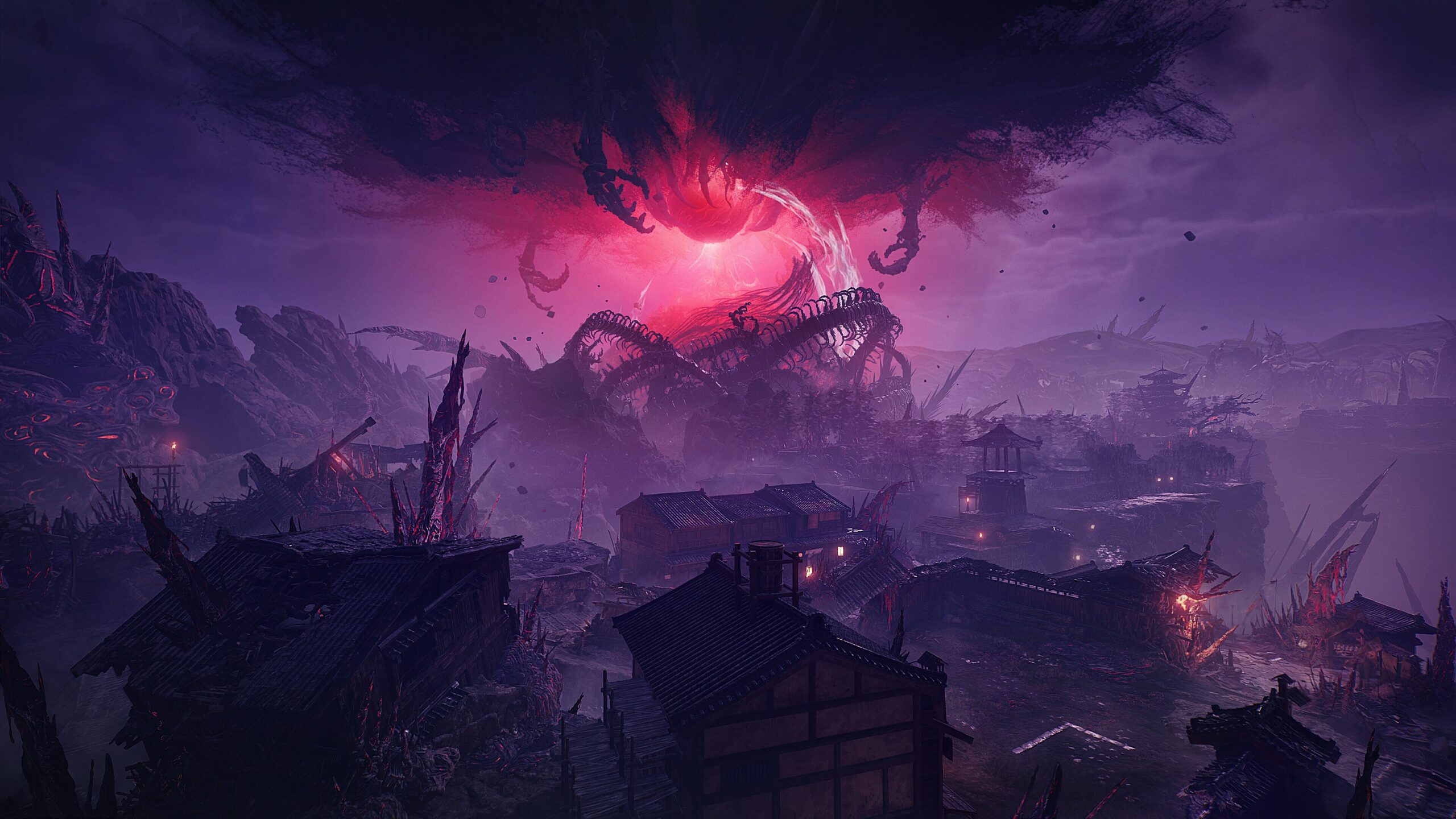
The Crucibles will look familiar to those who ventured into Nioh 2’s Dark Realms. These are challenging locations where any damage taken inflicts Life Corrosion, reducing your overall max HP. Slaying foes counteracts this, but you can also obtain buffs before venturing inside. While Lesser Crucibles are similar (but on a smaller scale), the main Crucible is often where the boss is located.
Deflecting
While previous games had parrying, Nioh 3 is the first to feature a dedicated Deflect button. By tapping L1 at the right moment, you can essentially negate the damage from an attack and restore your Ki. Given how important Ki damage and restoration have been in the series, it’s a game-changer of sorts, offering a new defensive option alongside dodging and blocking.
Jumping
Another “new” mechanic, if you can call it that, is jumping. Call it a carryover from Wo Long: Fallen Dynasty, but this makes for more dynamic exploration (and challenging platforming, since some areas have increased verticality).
New Enemy Types and the Shinsengumi
It wouldn’t be a new Nioh without some new threats, and while you’ll tackle familiar Yokai like the Gaki and Ippon-Datara, there’s also the Otoroshi with its massive mouth; the Kyokotsu who resemble fallen warriors; and even the Shinsengumi, armed with katanas and firearms. That’s not even getting into the range of new bosses, including famous figures like Takasugi Shinsaku.
Samurai and Ninja Styles
Another major gameplay change is the introduction of two fixed Styles – Samurai and Ninja. The former is geared towards melee combat, while the latter focuses more on agility. Other differences include their weapon types and techniques. The Samurai Style possesses Arts Proficiency for unleashing Martial Arts in quick succession. Meanwhile, the Ninja Style can unleash ninjutsu, which now recharges naturally when dealing damage.
Style Change
But that’s not all, as you can swap between both Styles seamlessly. Ninjutsu is ideal for exploration due to its quickness, while Samurai is ideal for facing off against tougher foes and bosses. You’re encouraged to swap between them, especially when performing Burst Break to cancel out an enemy’s Burst Attack and leave them vulnerable to follow-up attacks.
Returning Weapons
Several classic weapons, including the katana, bow, odachi, spear, dual swords and more, return from previous games. While we’re yet to learn more about other weapons, it should be interesting to see other new additions to the formula.
Two Post-Launch Story DLC
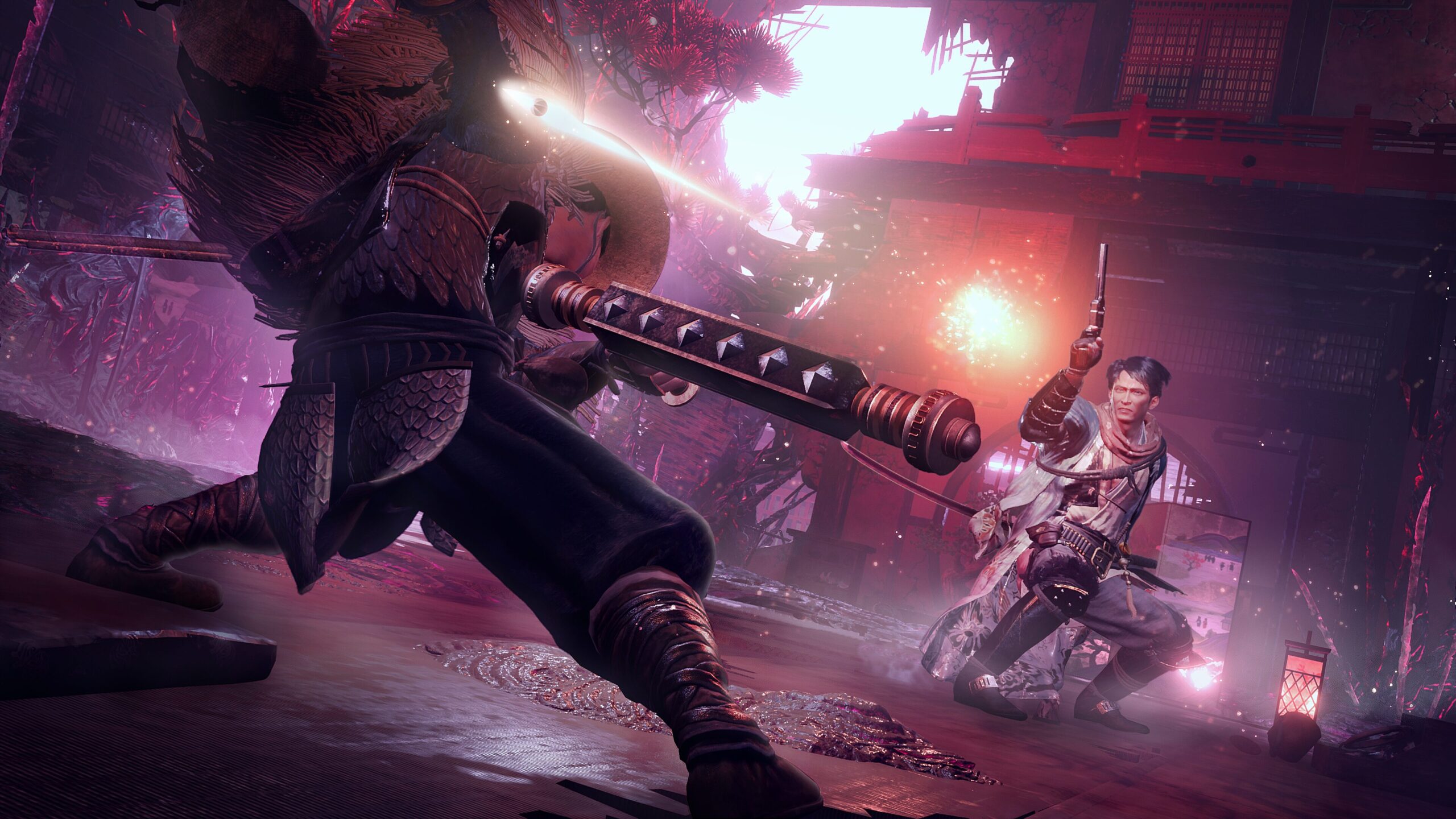
The Digital Deluxe Edition includes the Season Pass. These will add two new story DLCs, each adding new main missions, bosses, enemies, and gear. The first will be available by September 2026 end while the second launches by February 2027 end. While it’s a step down from three DLC packs each in Nioh 1 and 2, there’s hope that these will end up meatier overall.
DualSense Support
Whether you’re deflecting attacks or landing heavy blows, haptic feedback will ensure you feel every bit of it. In the same sense, the adaptive triggers ensure you feel the tension of, for example, drawing back and firing the bow. “Quick reactions and speedy inputs” are still the focus, though, as per a PlayStation Blog preview, so don’t worry about either effect being too aggressive.
Return of New Game Plus
Dream, not of what you are, but of what you want to be, and if that includes suffering at the hands of tougher enemies, so be it, as New Game Plus returns with Nioh 3. “We have incorporated that into a second playthrough where you can increase the difficulty level,” said producer Kohei Shibata to WCCFTech in an interview, “and I think that has become a staple for the Nioh series.”
Of course, New Game Plus isn’t just about more challenging enemies with higher levels or more powerful loot. In Nioh 2, Dream of the Strong unlocked Scrolls, which provided buffs to Toughness, Active Skill Damage, and more, while the next level added new modifiers to the highest rarity gear, which unlocked further bonuses if you collected two more matching pieces.
Avoiding Difficulty Spikes
Souls-likes, especially of the faster-paced variety like Nioh, can be tough to balance. You want a challenging experience but nothing too overwhelming, especially for those trying out the series for the first time, or at least that’s how producer Fumihiko Yasuda feels. Speaking to Multiplayer.it, he said that along with a “very thorough, albeit not excessive, tutorial,” the “most important thing was to ensure that the game wouldn’t have sudden difficulty spikes.”
“Everything must happen gradually. The exploration has much more freedom, but there are also very tough foes to defeat on the open field. What we focused on was offering players many more ways to defeat the bosses, be it equipment or the exploration itself. But the challenge level typical of our games was not reduced.” So if you’re stuck somewhere, exploring the “many options” available may help. “Ultimately, being able to succeed, the exhilarating sensation that comes with that, discovering that you could indeed beat that boss, is very important,” says Yasuda, “and it was essential that we maintained that in Nioh 3, too.”
PC Requirements
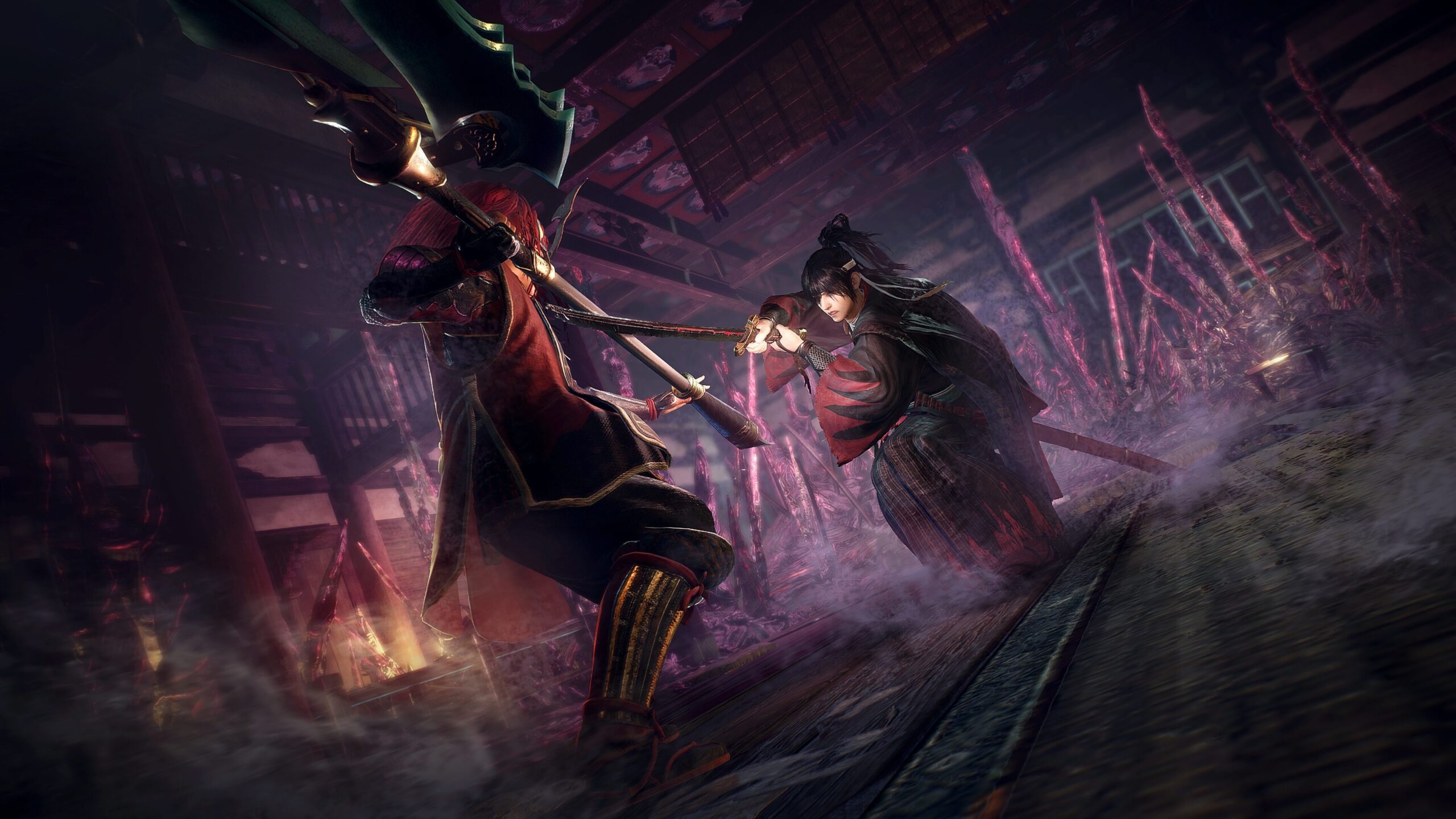
In terms of PC hardware, Nioh 3 is…intriguing, to say the least. An Intel Core i5-10400 or AMD Ryzen 5 2600 CPU, 16 GB of RAM, and an Nvidia GeForce GTX 1060 (6 GB) or AMD Radeon RX 5600 XT Rev. 2.0 (6GB) are required at a minimum. These allow for playing at the “Lightest” preset and 1080p/30 FPS. For the “Standard” preset at 1080p/60 FPS, you’ll need a Core i5-10600K or Ryzen 5 5600X, 16 GB RAM and a GeForce RTX 3060 Ti (8 GB) or Radeon RX 6700 XT (12 GB). An NVMe SSD is also recommended.
However, this is all with upscaling enabled, which makes us wonder just how heavy the “High” preset and 4K, much less higher frame rates, could be. Also, you’ll need 125 GB of installation space and Windows 11, regardless of everything else.
Comments are closed.