

Valor Mortis Interview – Player Feedback, First-Person Soulslike Combat, Technical Issues, And More
Following the recent release of first-person soulslike game Valor Mortis, we got a chance to speak to developer One More Level about how the studio’s experience with first-person gameplay led here. Along with this, the studio also discussed subjects like player feedback, the nature of first-person melee combat, and even technical subjects, like the performance issues hitting AMD GPU users.
You’ve said that playtest feedback led to improvements in combat responsiveness, parry timing and enemy attack readability. Can you walk us through one encounter that changed substantially as a result, and whether the response since launch has validated those changes?
One of our early playtests revealed that the Eternal Guardsman was extremely challenging for players. On top of that, the lack of clear guidance meant that many players didn’t realize the enemy was optional. This created a major frustration point that could cause players to quit before experiencing the best parts of the demo.
The feedback allowed us to tone down the enemy, make its attacks more readable, and improve the readability of the level itself. Following these changes, the Eternal Guardsman became one of many players’ favourite encounters.
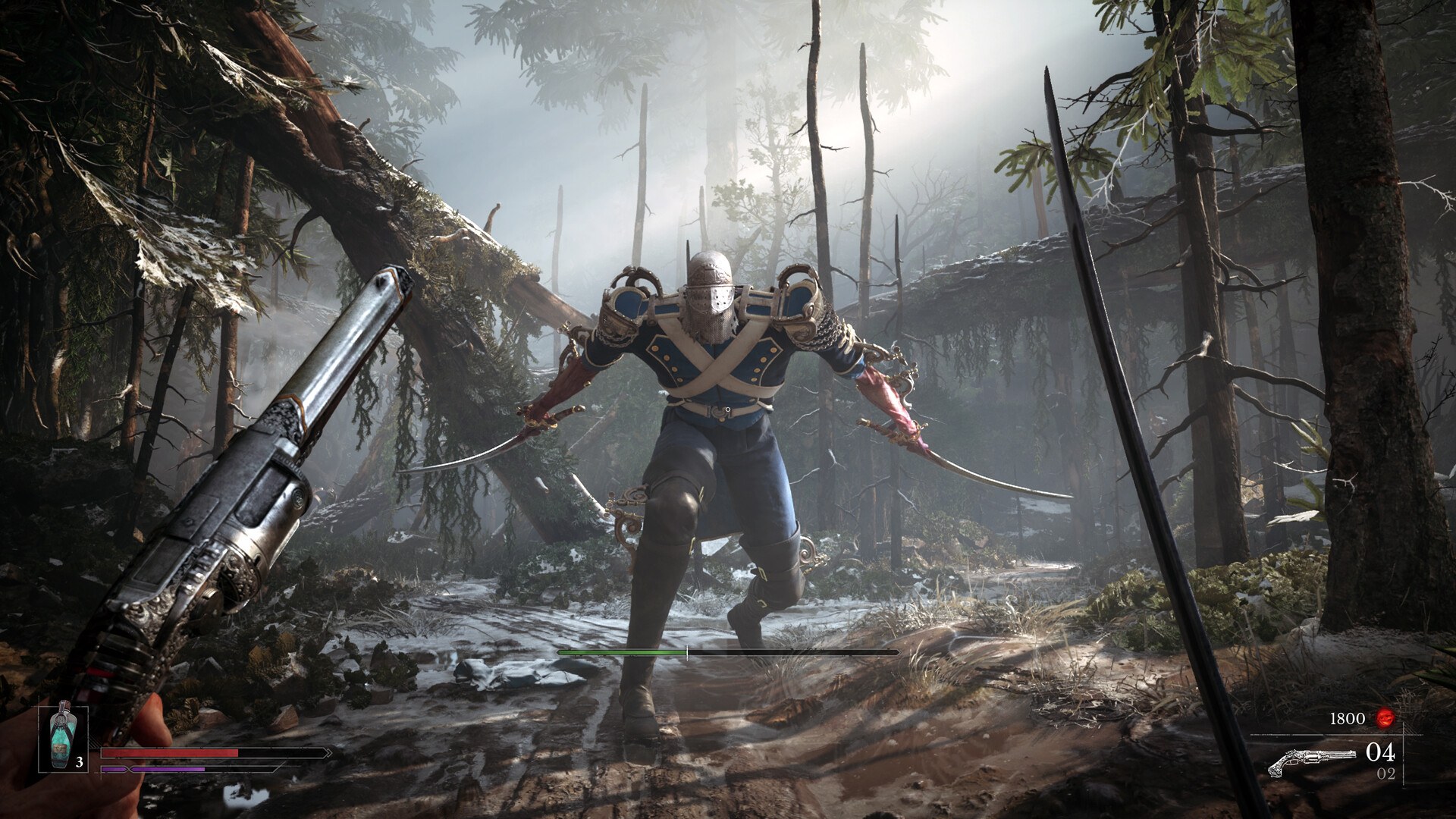
First-person combat makes judging attack ranges and tracking enemies outside the camera’s view particularly challenging. What solutions proved most effective in the finished game, and has early player feedback revealed situations where those cues still need refinement?
First-person combat definitely comes with the challenges you mentioned. One of our main priorities was ensuring that enemy attack animations had clear, readable wind-ups from the player’s perspective.
Another key factor is spacing between the player and enemies. We always try to keep enemies at an appropriate distance to ensure they remain properly framed within the player’s field of view. Without that, even the best-designed attack animation would be difficult to read.
That said, we know there was still room for improvement. Based on the feedback we’ve received from players, we recently made further adjustments to enemy hitboxes to better match their attack animations, preventing attacks from hitting players when they visibly miss.
As for attacks coming from outside the player’s field of view, we made sure enemies had clear audio cues before striking, giving players enough time to react. However, one of our playtests showed us that audio cues alone weren’t enough, so we decided to introduce an on-screen danger indicator to warn players about incoming attacks from outside their field of view.
Coming from Ghostrunner, how difficult was it to retain satisfying movement while encouraging Valor Mortis’s more methodical combat? Now that players are tackling the full game, are they finding effective ways to combine aggression, mobility and patience that you hadn’t anticipated?
While advanced movement was a core part of moment-to-moment combat in Ghostrunner, in Valor Mortis we used similar mechanics to deliver a different experience.
Parkour elements in Valor Mortis are more often integrated into exploration. Climbable ledges, grappling points hidden out of sight, and wall-running opportunities that let players approach combat encounters from a different perspective and add another tactical layer to the experience.
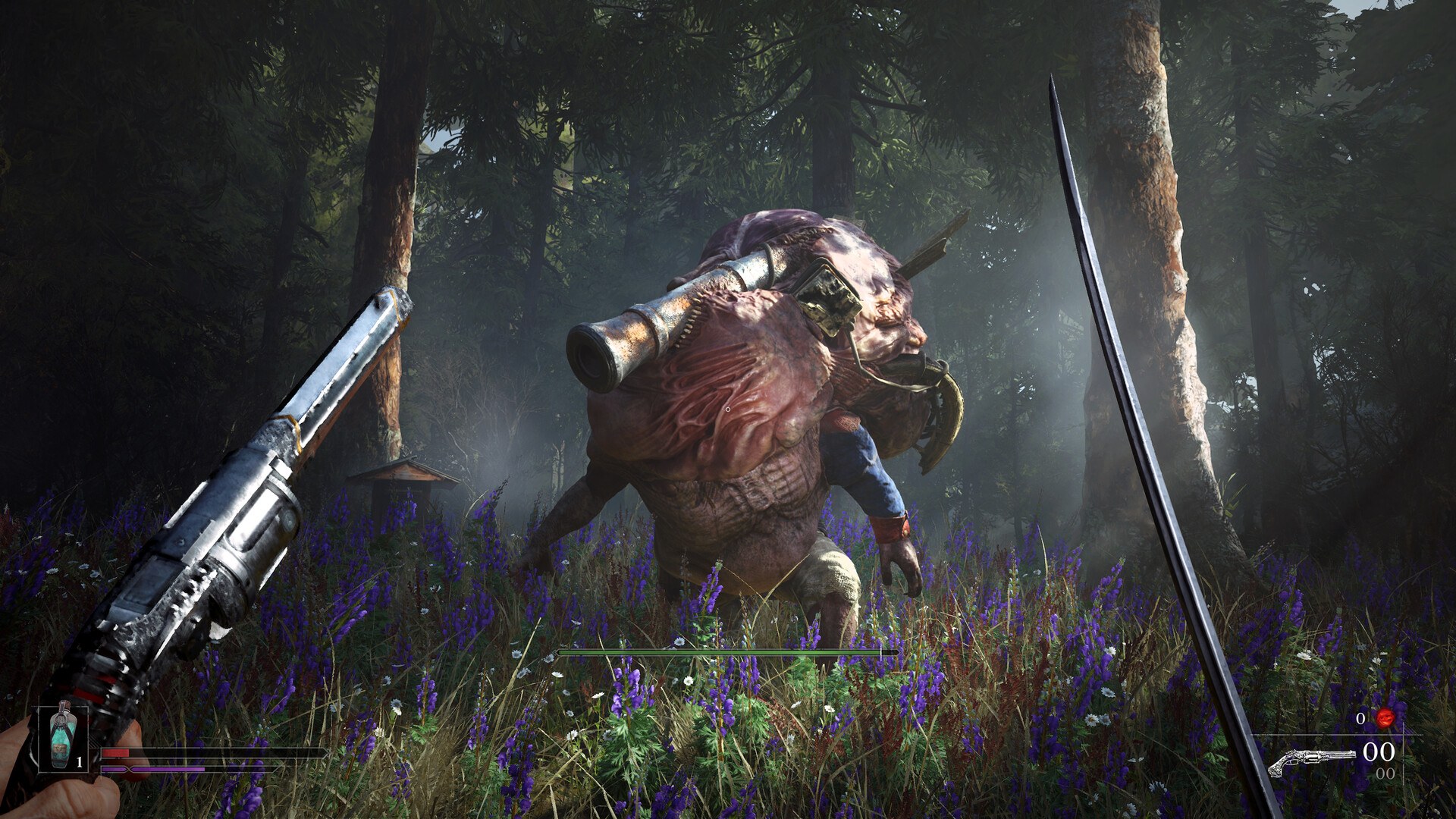
Valor Mortis combines distinct levels with shortcuts, optional areas and routes unlocked through new movement abilities. Looking back at the finished world, how did you make returning to earlier locations feel rewarding, and how did you decide how much exploration should remain optional?
Level design has been one of our main areas of focus. We know that fans of the genre expect levels filled with secrets, alternative paths, and clever shortcuts.
When reaching the end of a level, we want players to feel that there are still things they might have missed and secrets they haven’t uncovered yet. These Metroidvania-inspired elements encourage players to revisit previously explored areas and discover things they couldn’t access before.
At the same time, all of these elements remain optional. They’re designed for players who want to spend more time with Valor Mortis and get even more out of the experience.
William’s resurrection is central to the premise, while repeated death is fundamental to the gameplay. Without spoiling the ending, how did you decide which aspects of the death loop needed an explanation within the story, and where gameplay needed to take priority?
The death loop and designated respawn points are foundational to any Soulslike. From the start, we wanted to find our own approach to bridging what is a purely mechanical system with a narrative identity in our world.
That’s where Lucjan Skawiński came in – a mysterious lamplighter, offering a guiding light that pierces the darkness after every death. The name Lucjan derives from the Latin Lucius, meaning “light”. He is one of the first characters players encounter on their journey. In this war-torn world, his sole purpose is finding safe havens where weary travelers can rest; whenever he discovers such a spot, he sets up a lamp and ensures it is always fueled with oil.
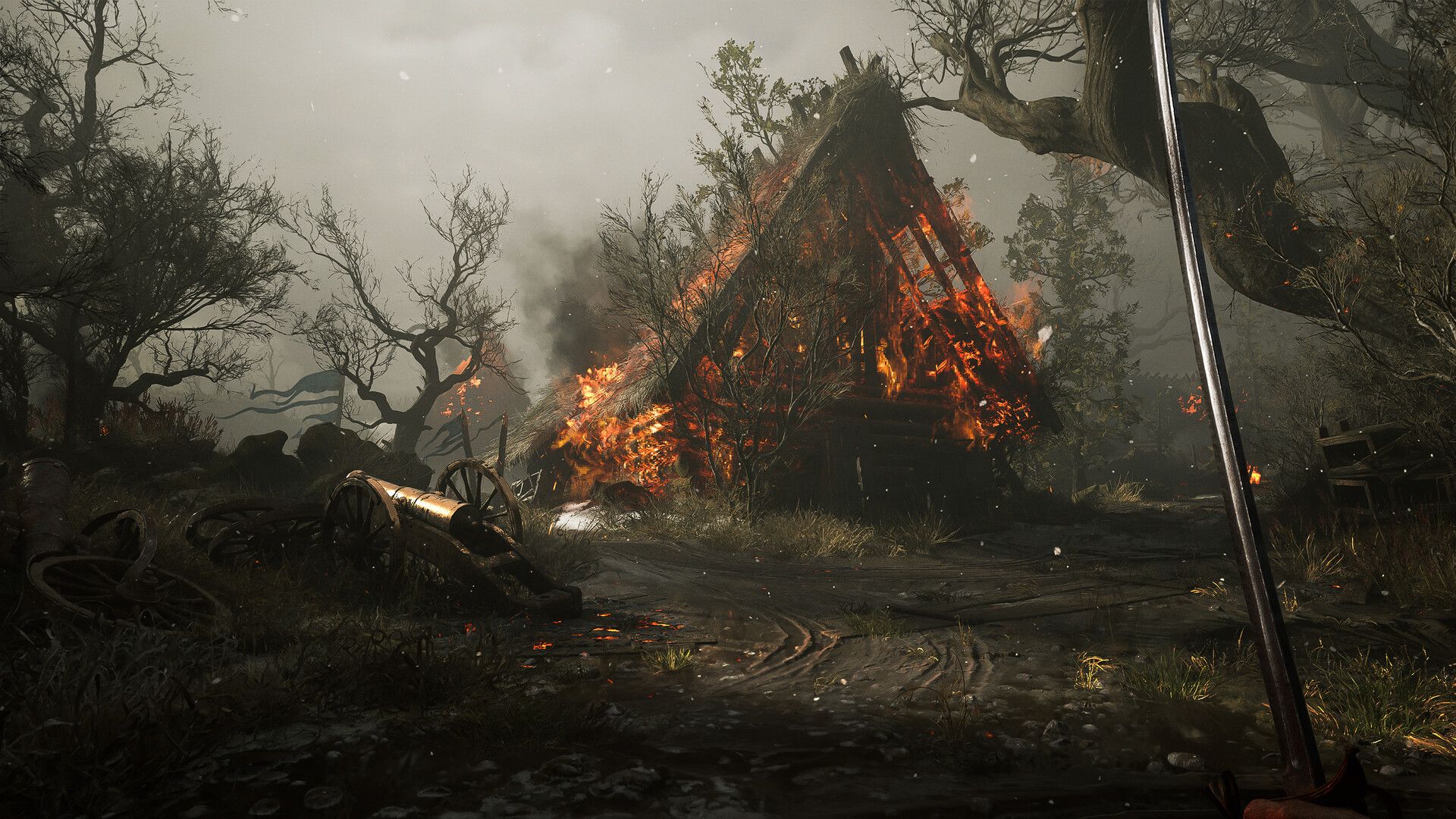
On the surface, Skawiński feels grounded. But beneath that exterior… There is something deeply eerie about him. The very first line of his character bio reads: “Skawiński is a veteran of battles that are about to happen.” We think that encapsulates his nature perfectly.
With the complete story now available, which historical detail most strongly shaped a character, location or encounter? How did you decide what needed to remain recognizable from the Napoleonic era and what you could transform through supernatural horror?
A core pillar of our design was building a world that felt authentically grounded, meaning our starting point had to be historical research. From there, we layered in a single supernatural variable that completely altered the world: Nephtoglobin. It serves as the catalyst for all change, and its spread is what shapes the setting players explore.
Our internal methodology came down to a “two-step rule.” Whenever we designed a new element, we looked at how far it drifted from real history, asking: Can we trace this back to historical truth in just two steps, where the second step is simply the influence of Nephtoglobin? If we could make that connection without stretching credibility, we knew the world would stay believable.
To give that alternate history real weight, we also needed a decisive turning point. In our version of history, the Battle of Waterloo wasn’t Napoleon’s downfall – it was one of his greatest victories. The grim aftermath of that triumph is what players uncover throughout the game.
You chose a focused arsenal of six weapons, supported by Transmutations and individual weapon upgrade trees. Now that players can experiment with the complete progression system, how are you assessing whether those choices produce sufficiently distinct playstyles, and are any combinations emerging as stronger than intended?
For a game that isn’t an RPG, we believe Valor Mortis offers enough variety to support distinct playstyles. We’re thrilled to see players experimenting with different builds and weapon combinations and discovering their own favourites.
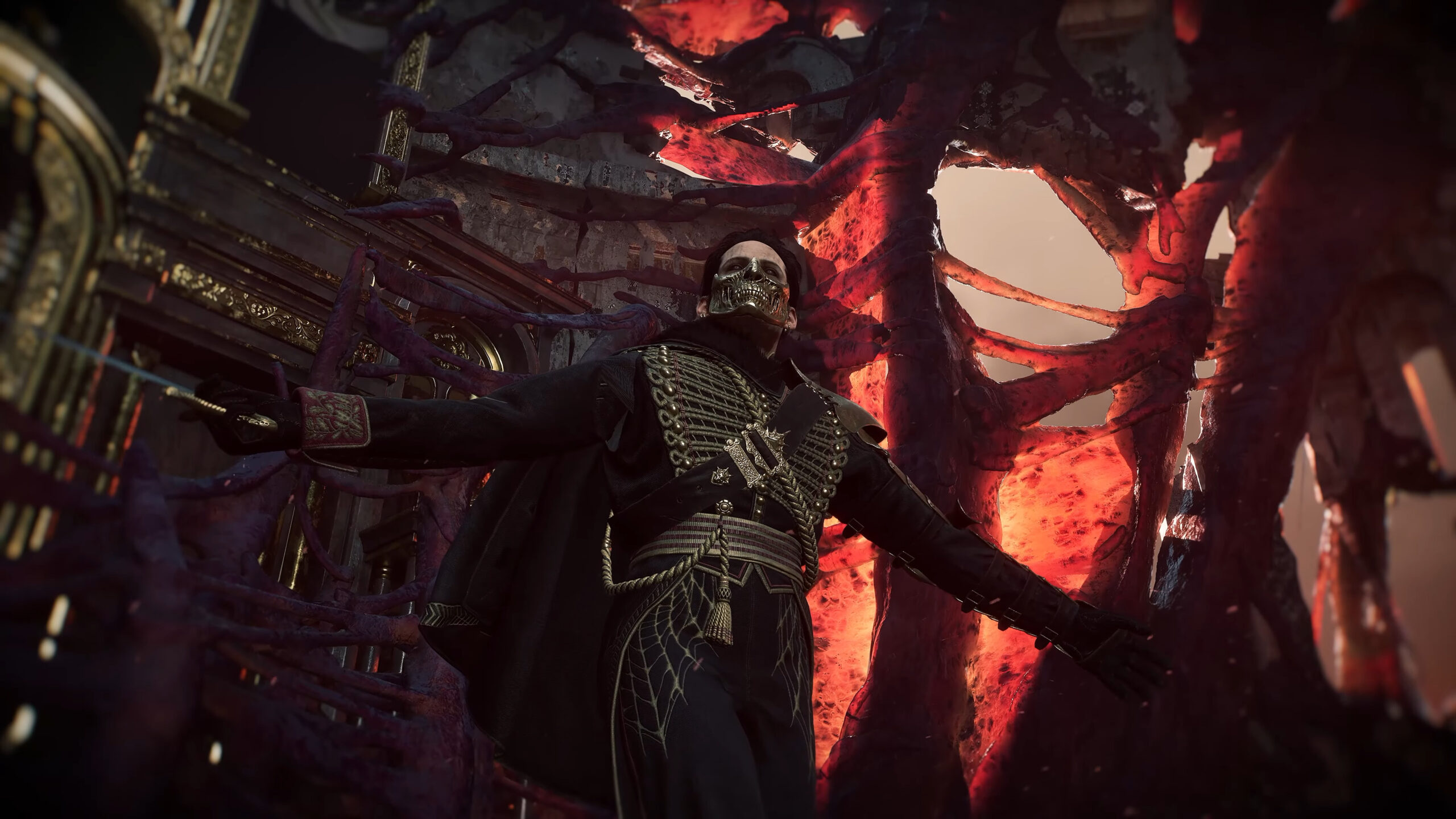
At the same time, we’re closely monitoring the game’s balance and gathering player feedback. We’re already addressing some obvious exploits through patches and continuing to work on further balance improvements.
Valor Mortis launched with a single difficulty setting, and you’ve discussed additional modes for the future. What are you learning from where players struggle in the released game, and how do you distinguish an encounter that needs rebalancing from one that simply takes time to master?
From the very beginning, we decided to have a single difficulty setting. We believe that one of the things that makes soulslikes so special is the feeling of overcoming difficult challenges, improving your skills, and sharing a common experience with other players. This approach has been well received by veterans of the genre.
On the other hand, we’re also seeing many players who are intrigued by Valor Mortis and would love to experience it but don’t have much experience with the genre. That’s why we’re considering introducing some kind of easier difficulty mode in a future update.
As mentioned earlier, we’re still closely monitoring the game’s balance. We watch playthroughs, read reviews, and analyse player feedback to identify recurring issues and determine which aspects of the game need further attention.
With the console versions now available, what were the toughest compromises involved in delivering the 60 FPS performance modes? Could you also clarify the launch version’s resolution ranges and visual differences across PS5, PS5 Pro, Xbox Series X and Series S, particularly the enhancements specific to PS5 Pro?
With the fixed hardware specs of console platforms it is possible to balance the visuals and performance as we see fit, but we had to compromise on a few aspects. Some PC specs can take up higher texture or mesh resolution, for example, which we had to limit a bit on consoles. The final result on consoles is consistent, and high quality, thanks to highly specified hardware configuration, they often can handle more than similarly specced PCs.
At launch, Xbox Series S targets up to 1080p through dynamic resolution scaling, while Xbox Series X can scale up to 4K. On PlayStation systems, the game runs at 1080p on PS5 and 1440p on PS5 Pro.
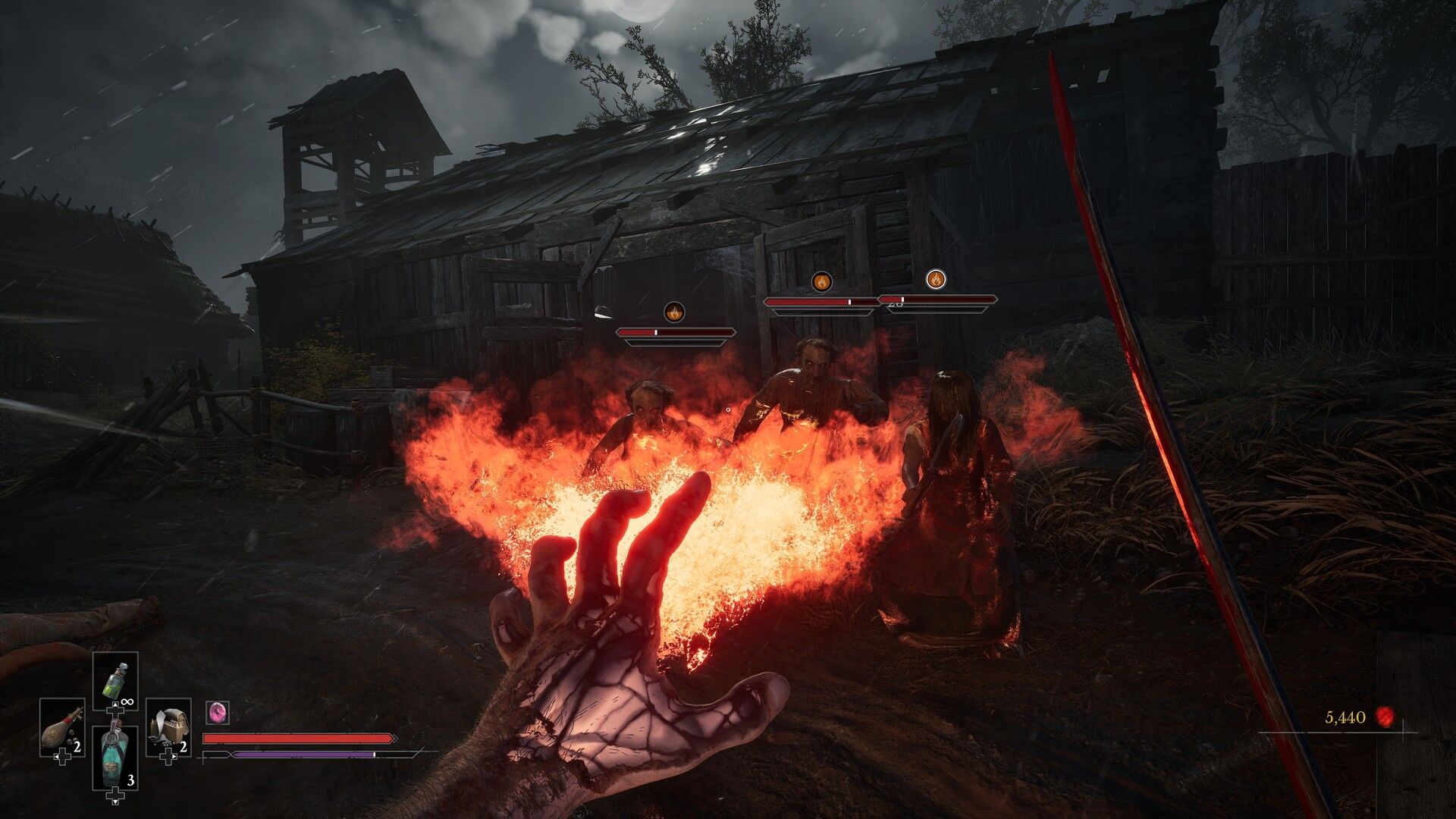
With Unreal Engine 5, some of the features are very resource heavy or require some minimum hardware parameters to bring the benefit to the visual quality, so we’ve done our best to push the quality to the maximum, while keeping the frame rate stable throughout the game. PS5 Pro allowed us to enable some features, like VRS (Variable Rate Shading), or increase the detail, like higher texture resolution, and most importantly, the maximum resolution of the rendered picture before upscaling. We’ve also loosened some thresholds on the memory usage.
On Xbox Series X, we’ve targeted a bit different resolution settings, we also leverage the Dynamic Resolution scaling to always deliver the smoothest experience possible. Xbox Series S was a challenge to target with Unreal Engine, especially due to memory constraints, so there we had to make a few more compromises on the texture quality and render scale.
Now that the PC version is out, how did you evaluate image clarity and input responsiveness across its upscaling and frame-generation options? Your launch notes also acknowledge problems affecting certain Radeon GPUs and AMD Anti-Lag 2. What can you share about progress on those fixes and your immediate optimization priorities?
We support frame generators from all vendors, though at this point we still treat them as experimental, we’ve got a lot of reports throughout the development of the game of issues we later linked to FG being enabled. Currently most of the issues have been resolved either by the vendors, our own fixes and adjustments, or engine patches, but we had to stay cautious around this technology. We have an amazing, highly skilled QA team, who immediately notice any input lag and issues with responsiveness, so with their expertise, we were able to track down a lot of those issues. The lag reduction technologies are a huge help here, yet just as frame generation – the results may differ between hardware and driver versions.
Issues with Radeon GPUs should be resolved with the new driver version (coming soon), thanks to our close collaboration with AMD. We will do our best to push the update to the Anti Lag 2 shortly. Unreal Engine support for the latest vendor features is limited and we’ve encountered a few problems at launch. We are currently working on the solution.
Comments are closed.